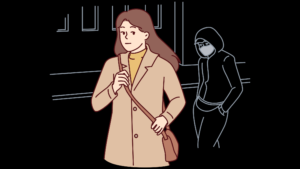










Sexual Exploitation is when a person tricks or manipulates someone into engaging in sexual behaviour.
This can happen in a lot of different ways. Sometimes people will try and make you feel that having sex, or engaging in sexual behaviour, is expected of you (perhaps you owe them a favour, or they bought you an expensive gift). In other cases they might offer you money or a place to stay. Someone might even threaten you with blackmail (maybe they have a sexy picture of you and they’ve threatened to show it to other people if you don’t do what they say).
No matter what the reason, you NEVER have to engage in any sexual behaviour if you don’t want to. That includes with your boyfriend/girlfriend: nobody has the right to make you behave in a way you’re not comfortable with, and forcing or manipulating someone to have sex is illegal.
The aim of this article is to provide you with the information and resources you need to help protect you from all forms of sexual exploitation. If you need support you can contact Meic anonymously (contact details at the bottom of this page).
Sexual Exploitation: Sex, Secrets And Lies
As we said earlier, sexual exploitation can take many forms. Barnardo’s Cymru and the Welsh Government have produced a guide to understanding and protecting yourself from sexual exploitation. The guide is short and easy-to-read, and available in English and Welsh. Read Sex, Secrets and Lies here.
Sexting
Sexual behaviour doesn’t just mean having sex. Sharing an explicit image of yourself over the internet or with your mobile phone is also sexual behaviour, and is called sexting. Just like with sex, nobody can ever make you do this if you don’t want to.
One of the biggest dangers of sexting is that anything digital can be very easily shared. You might send a picture to your boyfriend/girlfriend and make them promise to keep it secret, but all it takes is one person to go through their phone/computer and share it and it could end up all over the internet. There have been cases of couples breaking up and then sharing their ex’s private photos with friends or online, and once a picture is online it can be copied and shared across the planet.
On a similar note: you should always be aware of the camera on your device. People can always take screenshots and video clips so don’t assume an online conversation is private. It is also possible to install a virus which hacks into your camera, so you should avoid getting changed in front of it.
Report it
While anyone who persistently asks you to engage in sexting (and certainly anyone who attempts to force you or makes you feel threatened) should be reported. There are also occasions when a person just needs to be told that it’s inappropriate to ask for naughty pictures and that you’re not interested in doing that. Particularly if it’s a friend/partner who asks you to sext them, you may feel obliged because you don’t want to say no to someone you care about.
ChildLine has some great advice on their Sexting and Nudes pages, including advice on what to do if someone is pressuring you to send them.
Useful Links:
- Nudes advice at CEOP Safety Centre – including information on what it is and what to do
- Reporting at CEOP Safety Centre – How to report a concern and find support
- Sexting and Nudes pages on Childline – Great advice and guidance
- GetSafeOnline – Learn how to protect your computer and yourself online
- Barnardo’s Child Sexual Abuse and Exploitation – spotting the signs and reporting
- Meic – if you need to talk to a friendly adviser about concerns regarding nudes, or anything else that’s worrying you, get in touch on the contact details below, 8am to midnight, every day.